A pleasant fragrance can make a room feel inviting, but fragrance alone is not always the answer. If a space has a true odor problem, covering it with a stronger scent can make the issue worse. The room may smell perfumed for a few minutes, but the underlying malodor remains.
The right approach depends on the problem. Sometimes you need fragrance. Sometimes you need odor control. In many commercial spaces, you need both working together.
What fragrance is for
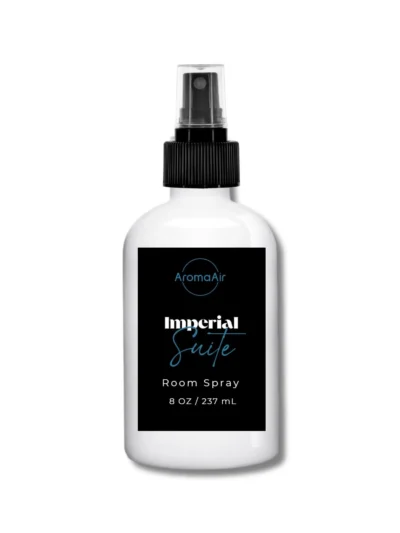
Fragrance is used to create atmosphere. It makes a space feel polished, memorable, relaxing, energetic, luxurious, clean, or welcoming. Diffuser oils, candles, room sprays, and wax melts are all designed to add a pleasant scent experience.
This is ideal for homes, offices, retail stores, spas, lobbies, bathrooms, bedrooms, and any space where the goal is ambiance. A signature fragrance can make the environment feel more intentional and enjoyable.
What odor control is for
Odor control is used when there is a source of unwanted smell. Trash rooms, compactor areas, dumpsters, pet areas, restrooms, gyms, locker rooms, kitchens, smoke-affected spaces, and high-traffic commercial areas may need more than a nice fragrance.
Odor control focuses on neutralizing or reducing malodors rather than simply adding perfume over them. This is especially important for buildings where smell can affect reputation, resident experience, guest comfort, or customer perception.
Why masking odors does not work long term
Masking is when a strong fragrance is used to overpower a bad smell. It may seem effective at first, but the result often feels heavy, confusing, or artificial. Instead of “fresh,” the space smells like odor plus fragrance.
For example, a trash room with a sweet scent on top of waste odor may become even more unpleasant. A gym locker room with heavy perfume may feel less clean, not more clean. A restroom with an overpowering spray can signal that something is being hidden.
True freshness starts with reducing the odor source and using the right odor management system.
When to use fragrance only
Use fragrance when the space is already clean and you want to enhance the experience. A living room, boutique, hotel lobby, spa treatment area, office reception, or model apartment can all benefit from a signature scent.
In these cases, choose a fragrance that supports the purpose of the room. Keep it subtle, consistent, and aligned with the brand or atmosphere.
When to use odor control first
Use odor control first when the smell is persistent, unpleasant, or tied to a specific source. Trash chutes, waste rooms, compactor rooms, commercial restrooms, and similar areas need a solution that addresses malodor directly.
Once the odor problem is managed, fragrance can be added carefully in nearby guest-facing areas. This creates a clean overall impression without relying on scent to hide a problem.
How businesses should think about scent strategy
For a business, scent strategy should be practical. Start by identifying the space type. Is it a customer-facing area, a service area, a waste area, or a transition area? Then decide whether the goal is ambiance, odor management, or both.
Customer-facing areas usually need fragrance. Back-of-house or waste-related areas often need odor control. Shared amenities may need a combination, especially if they have heavy traffic.
How homes can apply the same idea
At home, the same principle applies. Do not use a strong scent to cover up trash, cooking residue, damp towels, or pet odors. First, remove the source, clean the area, ventilate, and then use fragrance to create the final atmosphere.
That is how a space moves from “covered up” to truly fresh.
Final takeaway
Fragrance creates mood. Odor control solves malodor. Both are useful, but they are not interchangeable. When you use each one for the right purpose, your home or business feels cleaner, more refined, and more welcoming.
Explore AromaAir odor control solutions for commercial spaces that need more than fragrance alone.